The best infrastructure upgrade is the one that changes the numbers without changing the design. When a vessel’s connectivity demand outgrows its core, you want more capacity — not a new architecture, new cabling, and a new set of things that can break.
Same design, bigger engine
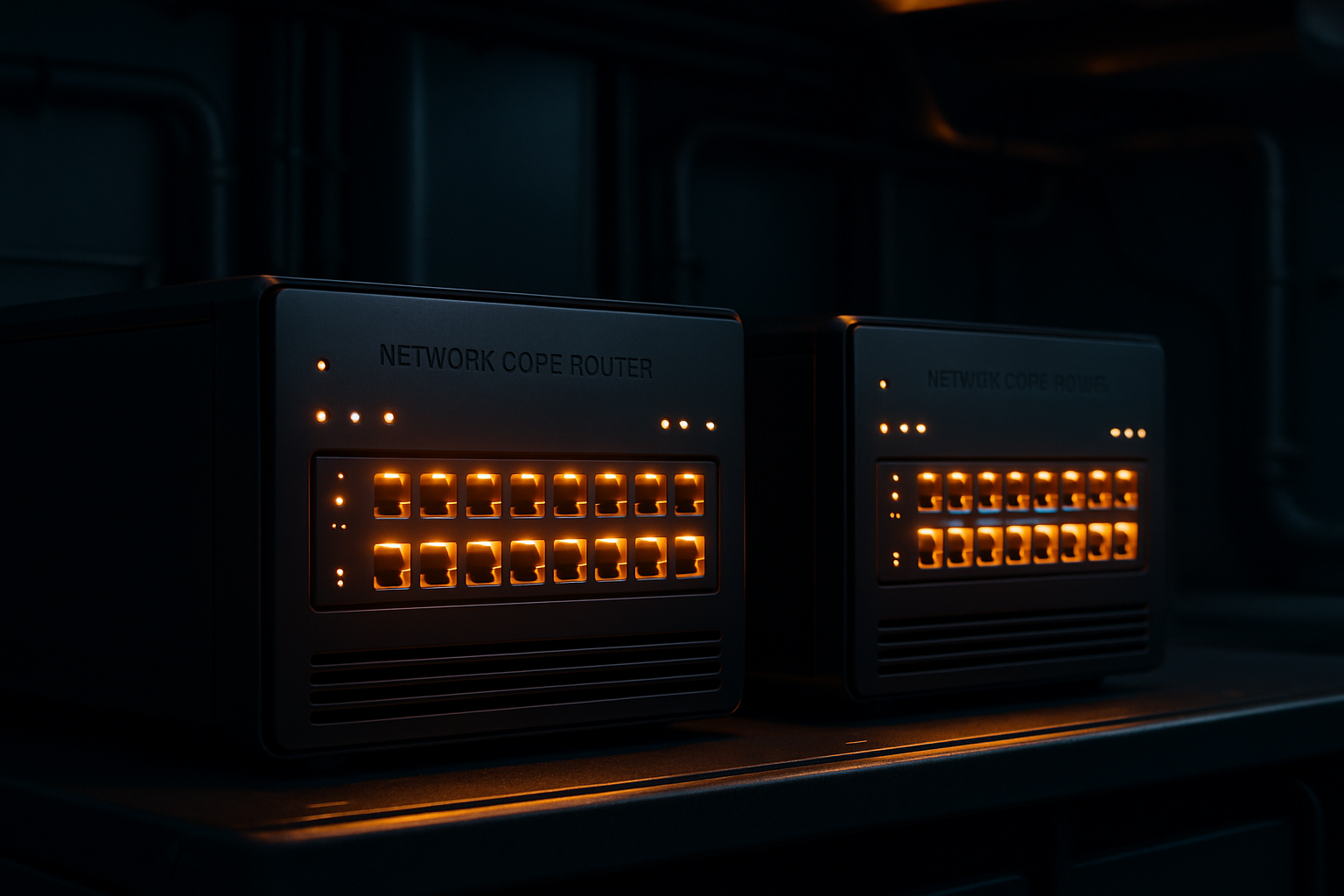
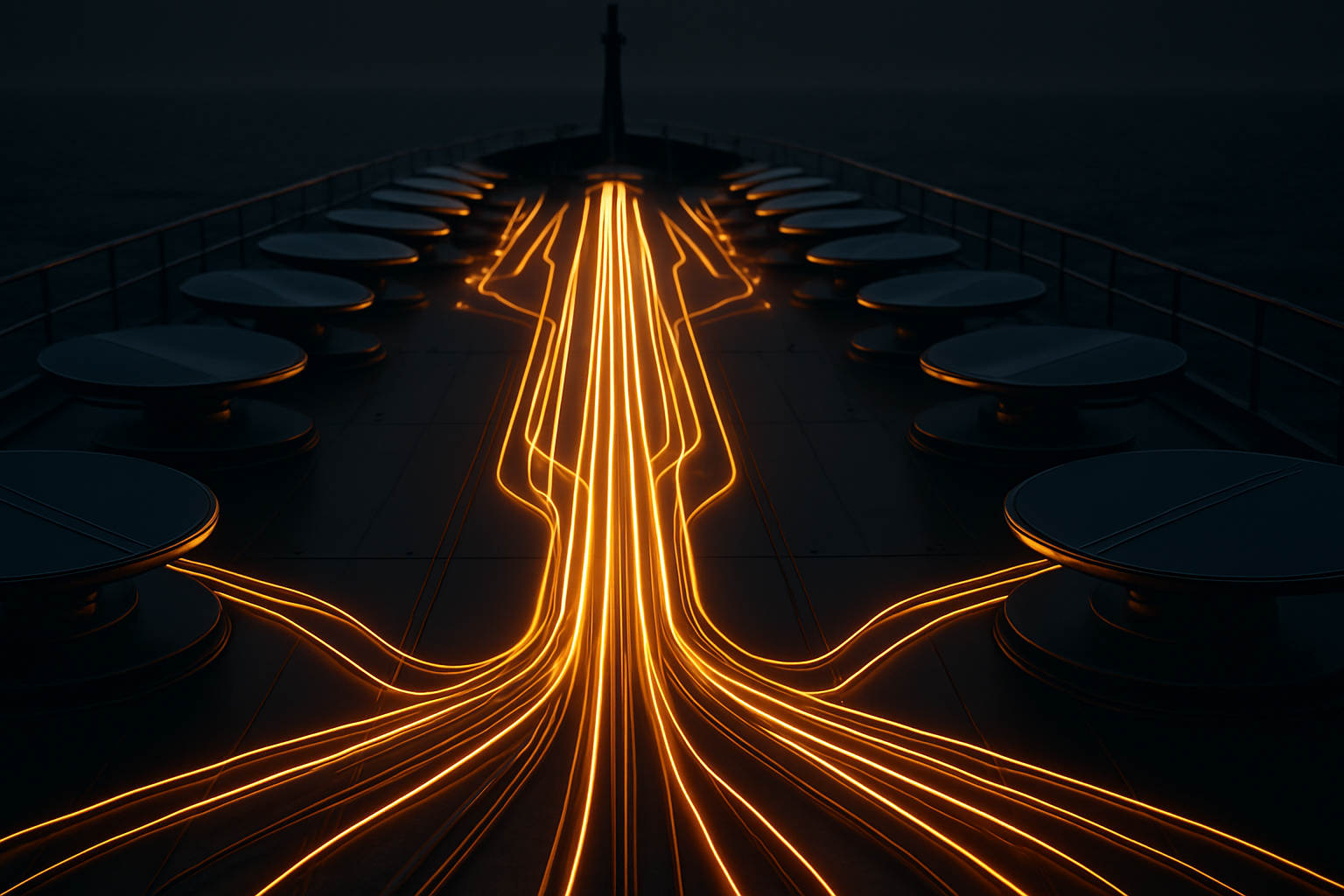
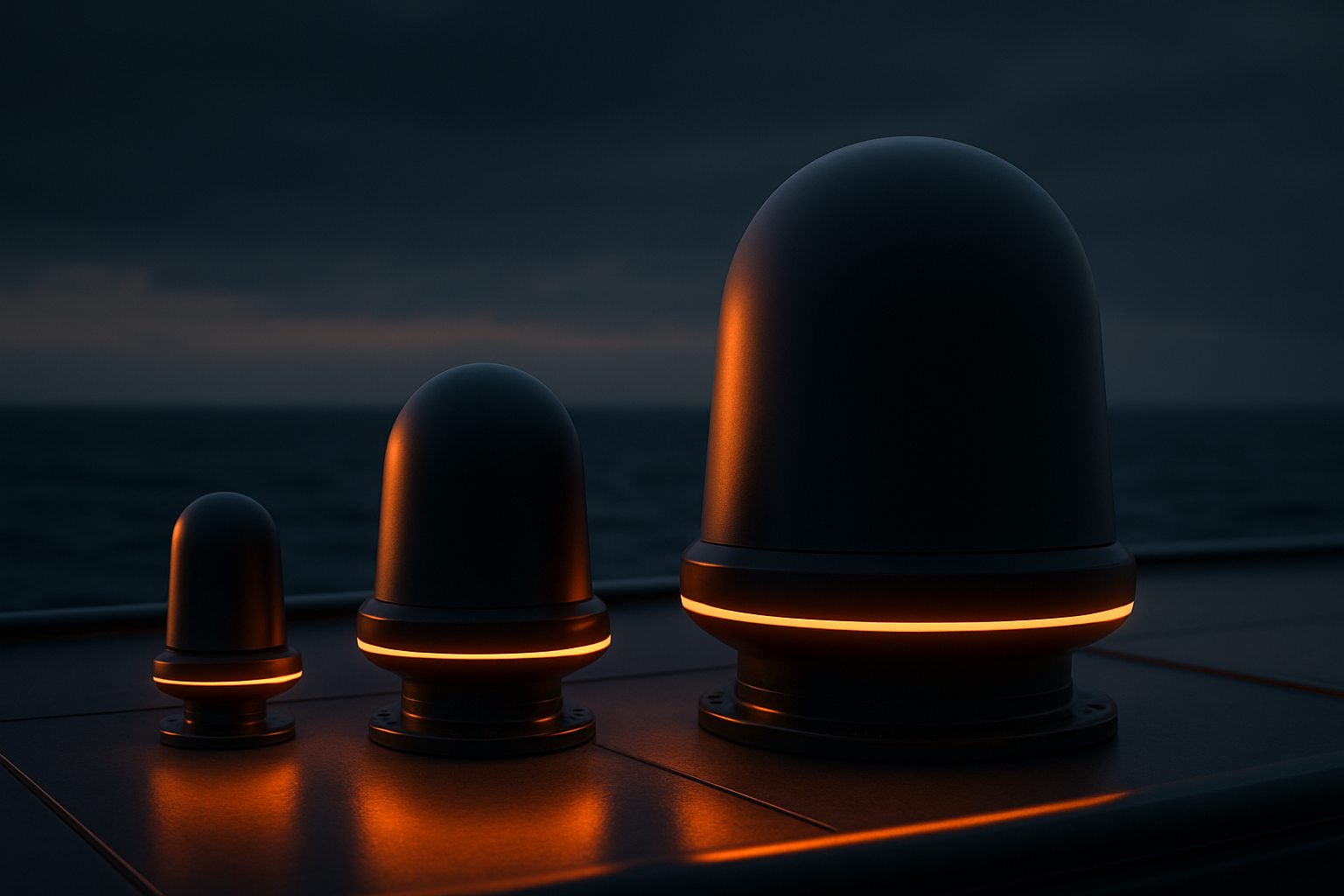
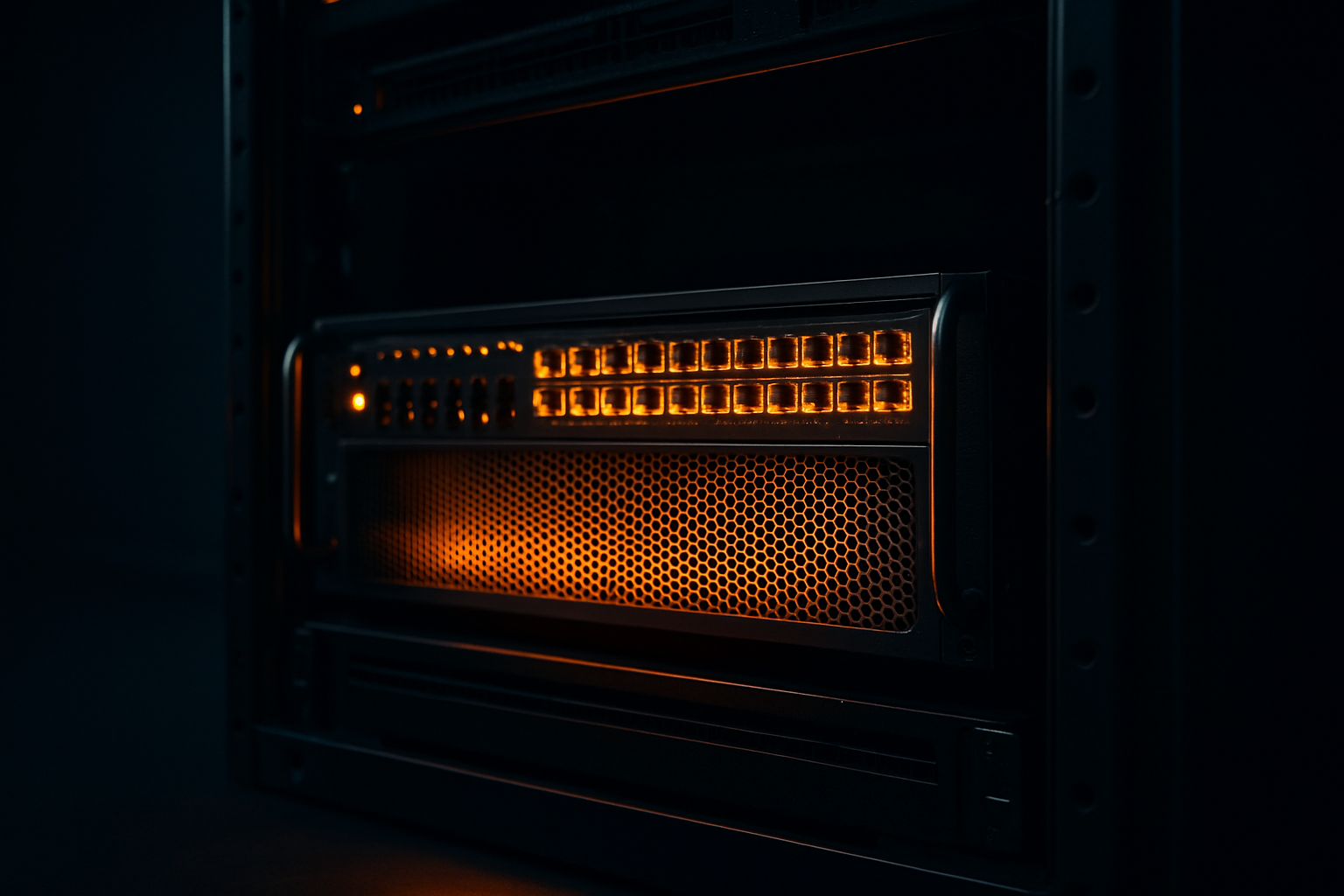
A real maritime deployment began on a high-availability pair of Peplink EPX routers bonding a dozen-plus satellite terminals. As guest demand and per-terminal throughput climbed, the core was upgraded to a high-availability pair of Balance 5000 EC routers — purpose-built for high-density WAN aggregation and 30+ Gbps of SpeedFusion bonding. The VLAN trunking, the terminal layout, and the HA model all stayed the same. Only the ceiling moved.
Why the same platform scales
- One SpeedFusion engine runs the whole Peplink line, so the config concepts carry straight over.
- One management plane — InControl 2 — sees the old and new cores identically.
- Headroom for the future — as satellite throughput per terminal grows, the core is no longer the bottleneck.
That is what it means to own your network: you add capacity on your schedule, on hardware you already understand, without a forklift.
If your disaster-recovery plan includes the word “failover,” you’re doing it wrong.
SpeedFusion internet bonding means increased performance, more uptime, and no failover — because the session was already riding every link.
Own your network. Peplink hardware is bought once and it lasts — it keeps bonding and routing with or without an active warranty or the cloud. No forced subscriptions, no required licenses.
Learn the fundamentals at connectivity101.com.